
Faith is not believing things we know to be untrue nor believing them with a confidence the evidence does not warrant. It is a way of response to the God whom we cannot know with certainty…Theology is the attempt to coordinate faith and doubt in a way which does justice to our status as responsible human beings and that seeks to save us from the short cuts of superstitious credulity and despairing skepticism.
— Maurice Frank Wiles (17 October 1923 – 3 June 2005)
Regius Professor of Divinity at Oxford University, 1970 – 1991
While I appreciate Wile’s attempt to reconcile the challenge of faith and doubt, in my opinion, there is a critical component missing from his position. Wiles was not a big believer in miracles or, it appears, God’s intervention in our daily lives. Yet he clearly had a sense of God’s presence in our midst. What seems to be absent in his theological framework is a relational perspective with God.
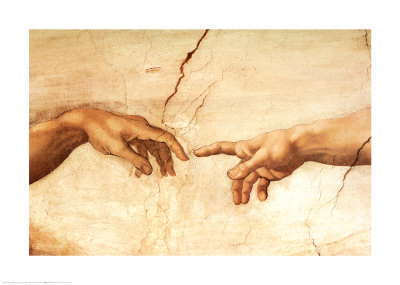 I find this fascinating, because throughout our sacred story — over and over again, we hear through the prophet, apostles and martyrs of both an active and an interactive God with humanity.
As I once heard it said, God is neither a puppeteer nor a superhero. Rather, the God of our ancestors is the God of creation and invitation. He is one who is continually creating, gifting, redeeming and reconciling. And He invites us to be a part of it.
The faith journey can contain both amazing epiphanies and dreadful despair. In either extreme, or in the routine between the two, ours is not a solo flight — it is in relationship with both God and the world around us.